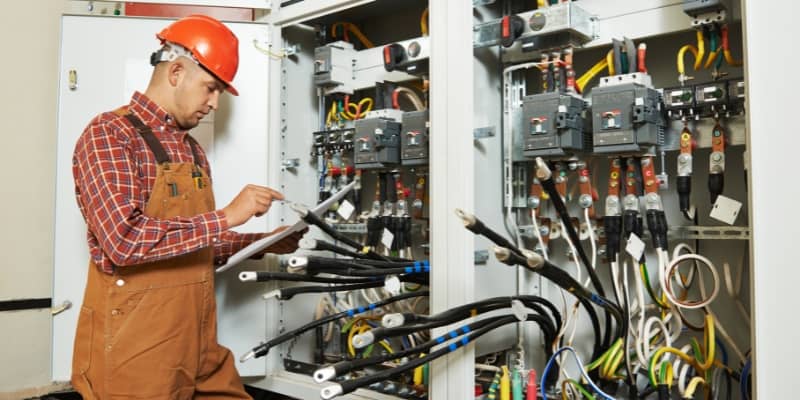
- by Swdnyc
- in Electrician
If you have an interest in electricity and a desire for a career that involves working with your hands, becoming an electrician could be the right path for you. This guide will provide you with a step-by-step breakdown of what it takes to become a licensed electrician, including necessary education and training, the certification process, and potential job opportunities in the field.
1: Gain Experience in Electrical Work.
To become a licensed electrician, you will need to meet the educational requirements and gain experience in electrical work. Typically, this involves completing a formal education program in electrical technology or completing an apprenticeship under the guidance of a licensed electrician. These programs provide hands-on training and knowledge of electrical theory, circuits, motors, and safety procedures. Additionally, gaining practical experience through internships or on-the-job training can help you develop valuable skills that employers look for in licensed electricians.
2: Renew Your License Regularly and Keep Up with Industry Standards And Regulations.
It’s important to note that obtaining a license is not the final step in becoming a successful electrician. To maintain your license, you must renew it regularly and keep up with industry standards and regulations. Electrical codes and regulations are updated regularly, so it’s vital to stay informed about changes in the industry. You may need to complete continuing education courses or attend workshops to keep your license current and ensure that you are providing safe and efficient electrical services to your clients. By staying up-to-date with new technologies, tools, and methods, you can enhance your knowledge and skills as an electrician, grow your business, and provide top-notch services to clients.
3: Consider Specializing in a Particular Area of Electrical Work
Once you have become a licensed electrician, one way to further your career is by specializing in a particular area of electrical work. For instance, you could focus on residential or commercial installations, which would allow you to gain more experience and increase your skill set in that specific area. Specializing can also help differentiate you from other electricians and make you more marketable to clients that require specialized knowledge in their electrical needs. Keep in mind that some areas of specialization may require additional training or certifications. Thus, it’s essential to research the requirements for specialized electrical work in your locality before pursuing it as a career path.